WHAT IS IT?
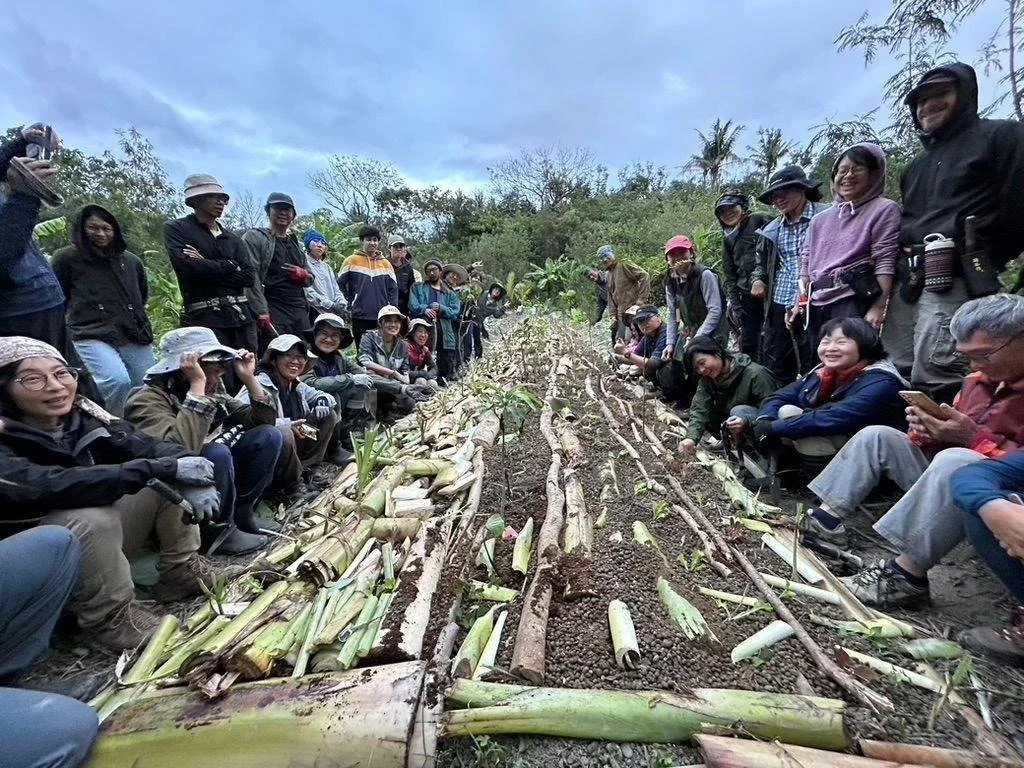
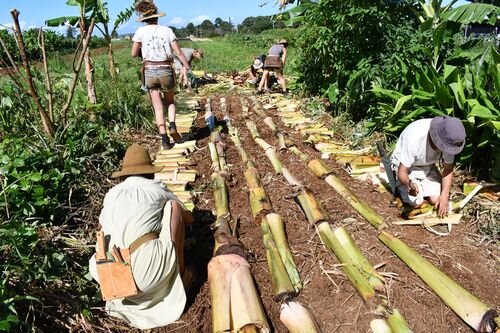
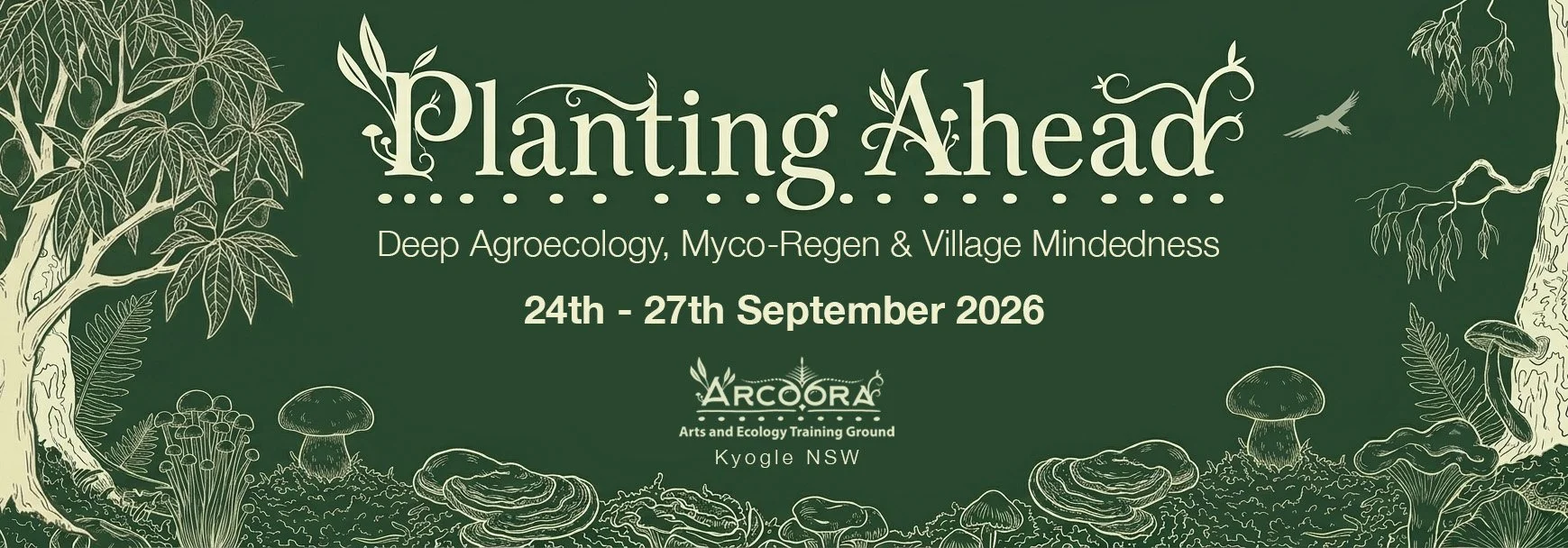
Over four days, we move through the arc of regenerative land stewardship, from the ground up. Guided by expert facilitators, we’ll explore the hands-on design and planting of an agroforestry system, dive into the living soil food web, and uncover the role of mycelium in restoring degraded ecosystems, as well as touching on concepts such as permaculture Zone 5 and fractal landscape design.
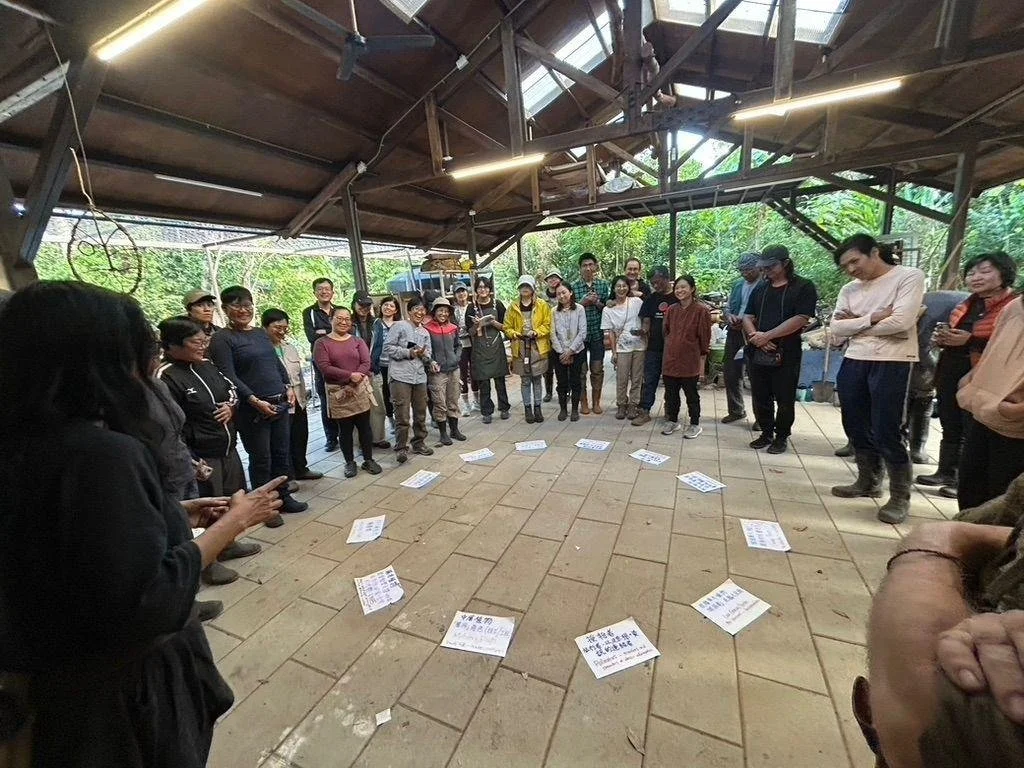
Woven throughout the experience is a dedicated focus on community building, offering practical tools for nervous system regulation and encouraging a deeper reflection on our ecological sense of self. We’ll wrap up the learning with an introduction to Local Exchange Trading Systems - a practical model for building economic resilience at the community scale.
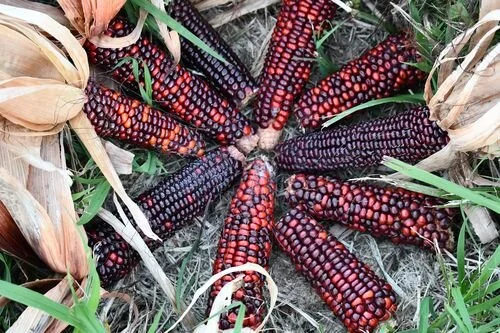
On our final evening, we’ll gather around the fire for Food Ways - preparing and sharing the very crops planted during our agroforestry sessions. It’s four days of deep learning, made edible.
WHO IS IT FOR?
This program is designed for land stewards, permaculturists, bush regenerators, and anyone interested in community, food localisation and practical, Earth-centered skills.
Whether you manage a rural property, care for an urban plot, or are preparing to embark on collective land ownership, this experience is tailored for anyone ready to deepen their understanding of living systems, integrate ecological design into daily practice, and build resilient, place-based community connections.
Program Overview
Successional Agroforestry - Facilitators: Cerise Acacia (The Solar Farm), Charlotte Daly (Eden Agroforestry) & Bunya Halasz (Growing Roots Permaculture)
Learn to read a landscape and design a productive food system that works with natural succession rather than against it. Moving from concept to ground, this session explores design principles alongside hands-on agroforestry system planting.
Myco-Regen - Facilitator: Troy Rees (We Forest Earth)
Mycelium is one of the most powerful and under-utilised tools in ecosystem restoration. Myco Regen covers the practice of regenerating land through the strategic application of fungal networks - particularly in bush regeneration settings where degraded or weed-ridden land can be brought back into balance without toxic chemicals. Includes both theory and practical application.
Soil Biology & the Food Web - Facilitator: Shanger Bala (Colab Sciences)
Healthy land starts underground. Rooted in the Soil Food Web framework and applied directly to an agroforestry context, this session explores the living community of bacteria, fungi, protozoa, nematodes, and micro arthropods that drive soil fertility, nutrient cycling, and plant health - and what it takes to restore that in degraded systems.
Permaculture Zone 5 - Facilitator: Paul Daley (A Lush Forest Media)
The edge between ecosystem restoration and food, fibre, and medicine production is where some of the most dynamic work in regenerative land management happens. This session explores the upper catchment as a site of ecological thinking - reading and working with wild systems as the foundation for everything downstream.
Local Exchange & Community Economics - Facilitator: Fred Woller
How do regenerative communities sustain themselves economically outside conventional market systems? This session introduces Local Exchange Trading Systems (LETS) as a practical framework for building community-scale economic resilience - a fitting close to four days of learning how we live and work on the land together.
Food Ways
On the final evening, we gather around the fire to cook from the agroforestry systems explored throughout the week. More than a cooking class, Food Ways is the natural conclusion of four days of ecological thinking made edible, recovering the relationship between the food we grow and the ways we prepare and share it.
Community Building & Ecological Sense of Self
Woven throughout all four days, this collaborative offering provides practical tools for nervous system regulation and building the social structures that make land stewardship viable over the long term. Drawn from multiple schools of thought, this is the experiential aspect of fostering connection to ourselves primarily, in order to foster connection with our greater ecosystem.
*Specials guests: Harry Moult and Jacob Loft will also weave in their extensive wisdom on Fractal Design and Landscape Regeneration, respectively.
FACILITATORS
Bunya Halasz
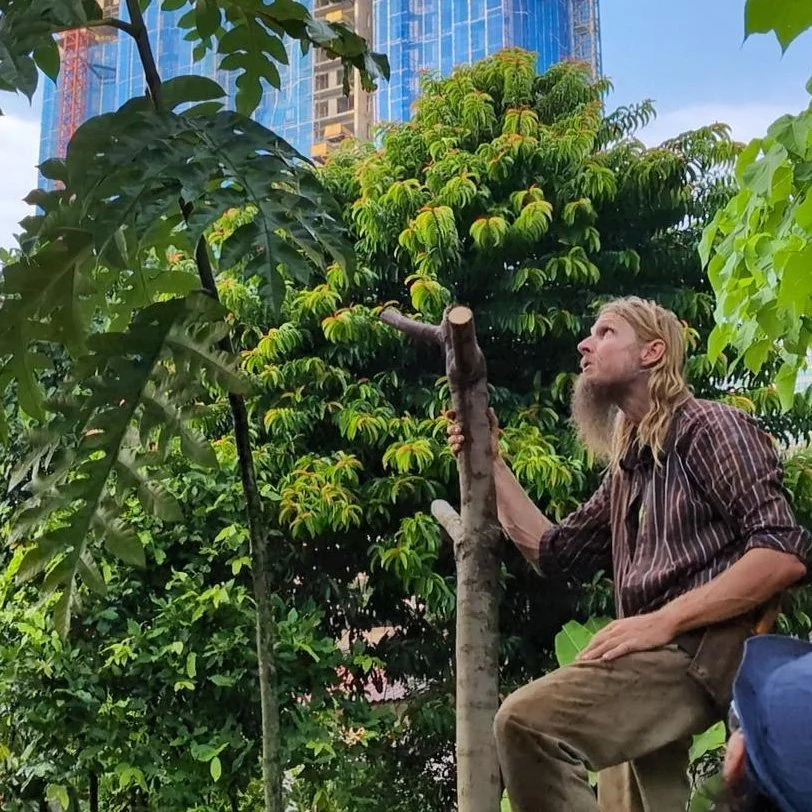
Working with the process of natural succession as the foundational guidance for creating food forests, Bunya has been involved in the creation of countless food forests along Australia’s east coast – primarily in Subtropical to warm temperate Zones. His Current projects include a commercial food forest of 9 yrs establishment on leased farming land at ‘The Farm’ in Byron Bay and ‘Namabunda Farm’ - a Bundjalung Bio Cultural Food and Fibre Forest co-created with the Bundjalung Tribal Society in Alstonville, Northern NSW. Alongside these projects are many other evolving food forests that he coordinates or consults for in the Northern Rivers Region with a passion for mentoring future generations to continue to evolve practices of regenerative land stewardship
To learn more about Bunyas projects visit his website, Growing Roots Permaculture
Cerise Acacia
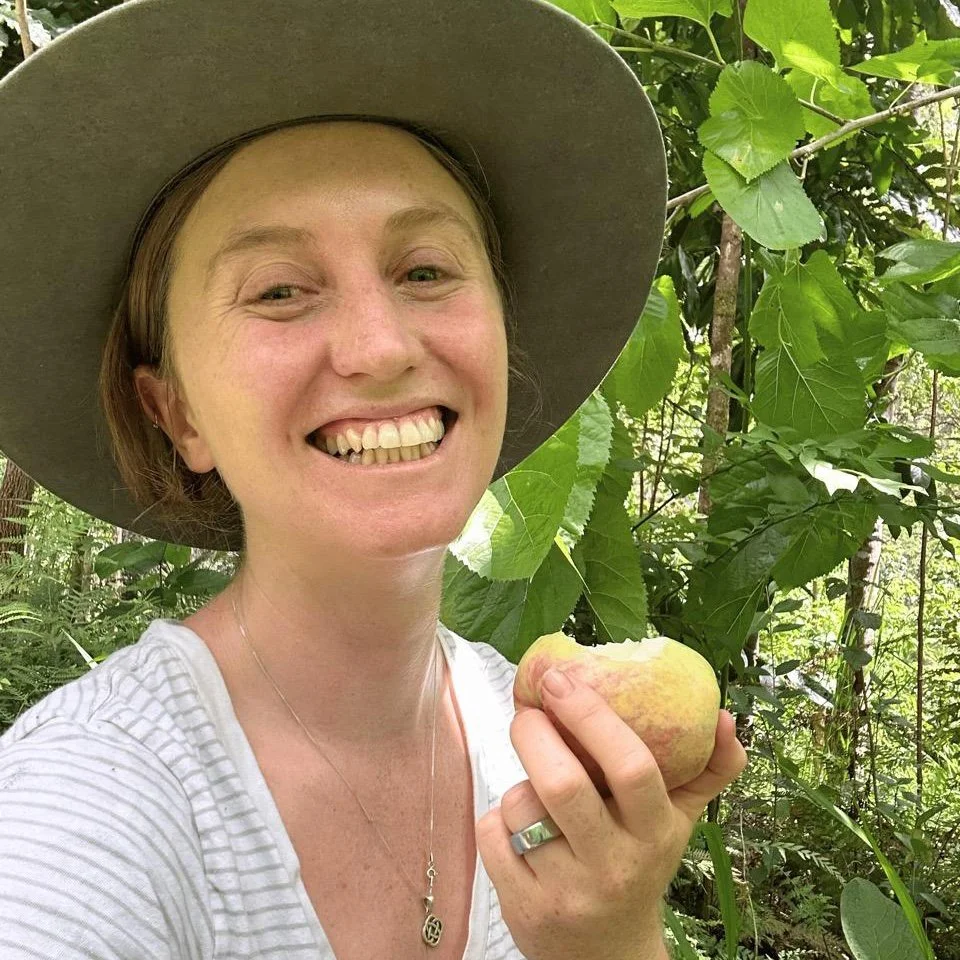
Cerise is a food forest educator, grower and founder of The Solar Farm. From her Food Forest in the Northern Rivers, NSW, she teaches people around the world how to create abundant, regenerative food systems by working with nature rather than against it. Through her online courses, workshops and consultations, Cerise has helped thousands of students design resilient food forests suited to their own climate and landscape. Her practical, down-to-earth teaching style makes ecological principles accessible to beginners and experienced growers alike, with a focus on natural patterns, generating diversity and prioritising resilient perennial foods.
Troy Rees
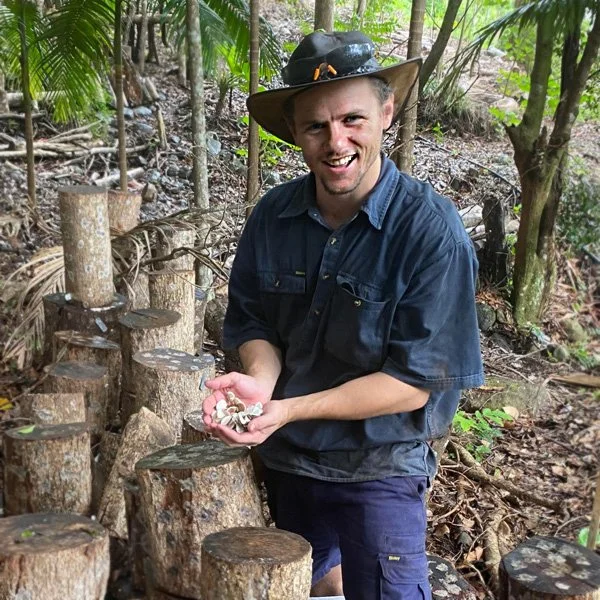
Troy has a generational background in large scale Agriculture, where glyphosate use is common practice. Upon learning of the negative health impacts of these chemicals, he started chasing information & education on organic food growing. He completed a Permaculture Design Course through Ella’s Farm in Bilambil, which kickstarted his passion for chem-free regeneration of landscapes in combination with food production. Later finding passion and work in conventional Bush Regeneration, Troy was again morally conflicted by chemical use. This led him to connect with Pierre and We Forest Earth. Troy has since become the Project Manager for We Forest Earth whilst also practicing Mycoregen through his own Bush Regeneration business, mostly in Southern Bundjalung Country – the Ballina and Lismore Shires.
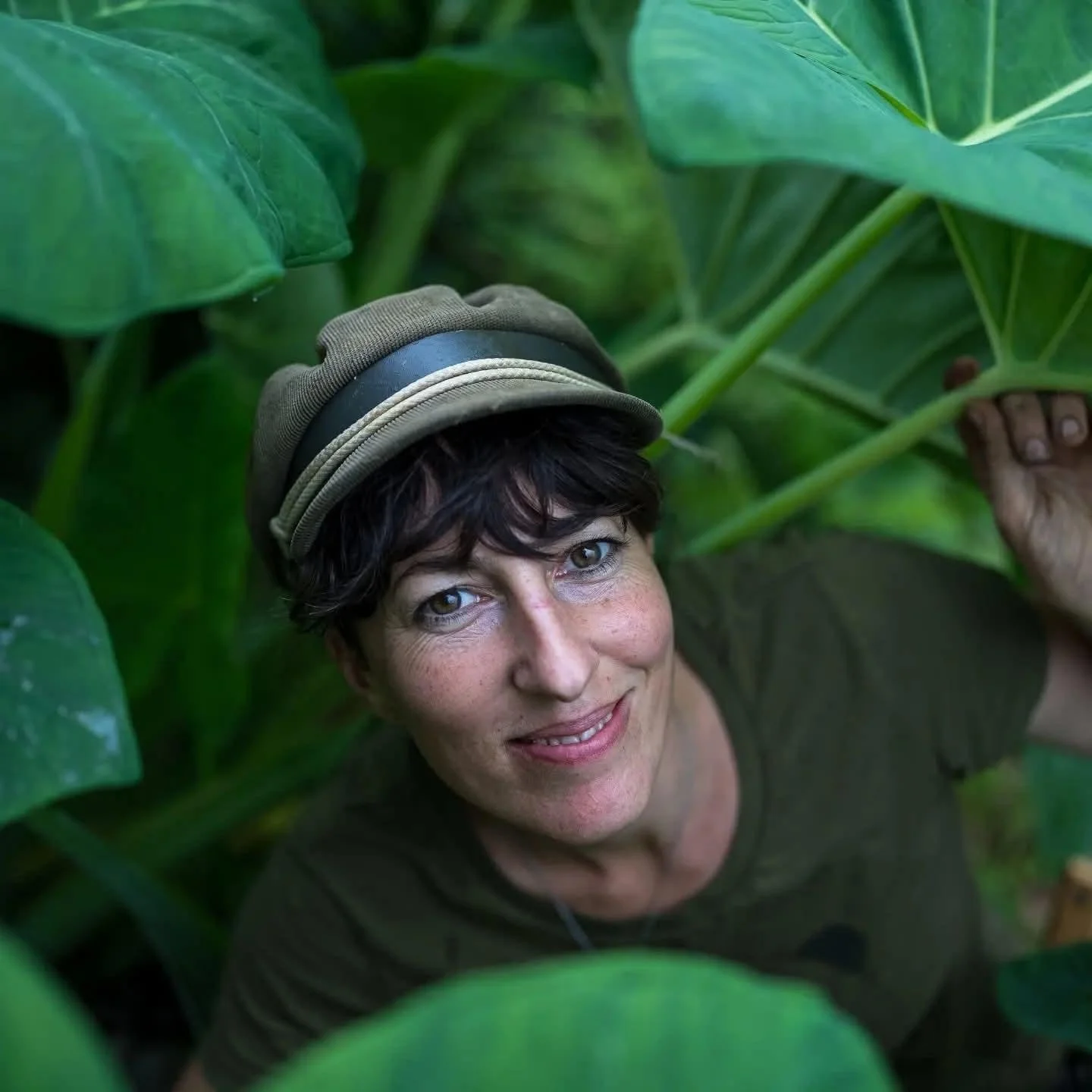
Charlotte Daly
Charlotte Daly is a highly energetic, eclectic, and passionate permaculturist, educator, and land steward based in the Northern Rivers of New South Wales. Working at the vibrant intersection of agroforestry, community building, and practical self-reliance, Charlotte is dedicated to deepening people's connection to living ecosystems by teaching them how to design productive food systems and translate harvested yields into nourishing, place-based food traditions. Her wisdom is rooted in a profound respect for all plants and their vital role in the greater ecological picture (even the weeds!), driven by a genuine care for restoring degraded Country. Prepare to be mesmerised by her animated, captivating teaching style as she inspires participants to heal the land, honor the plant kingdom, and reconnect deeply with the natural world.
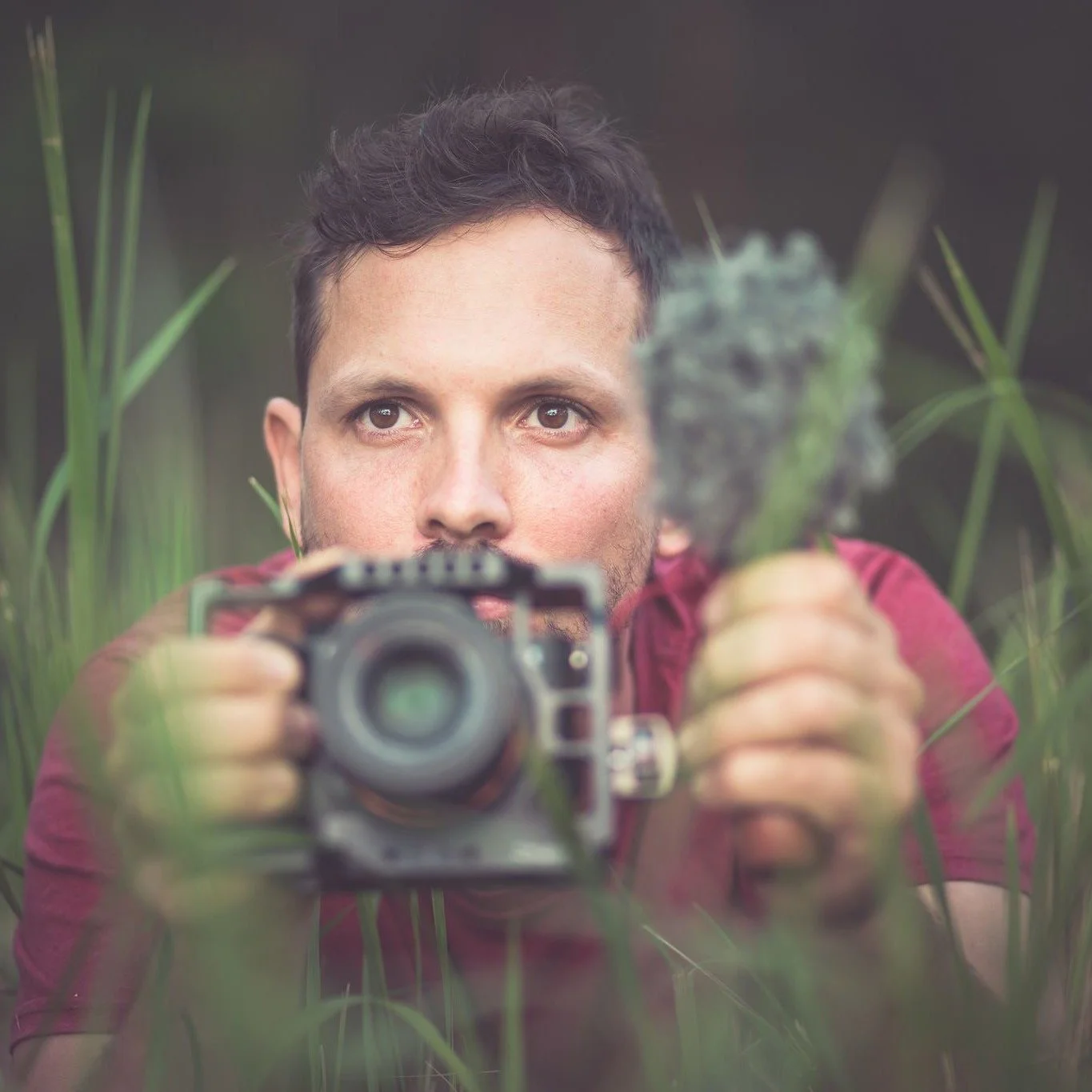
Paul Daley
Paul Daley is a regenerative storyteller whose roots are in horticulture and ecological restoration. Growing up at Daleys Fruit Tree Nursery, home to Australia's largest range of fruit trees, shaped his lifelong passion for plants, biodiversity and growing healthy landscapes. Today, through A Lush Forest Media, he creates films that inspire ecological embodiment, environmental stewardship and regenerative action.
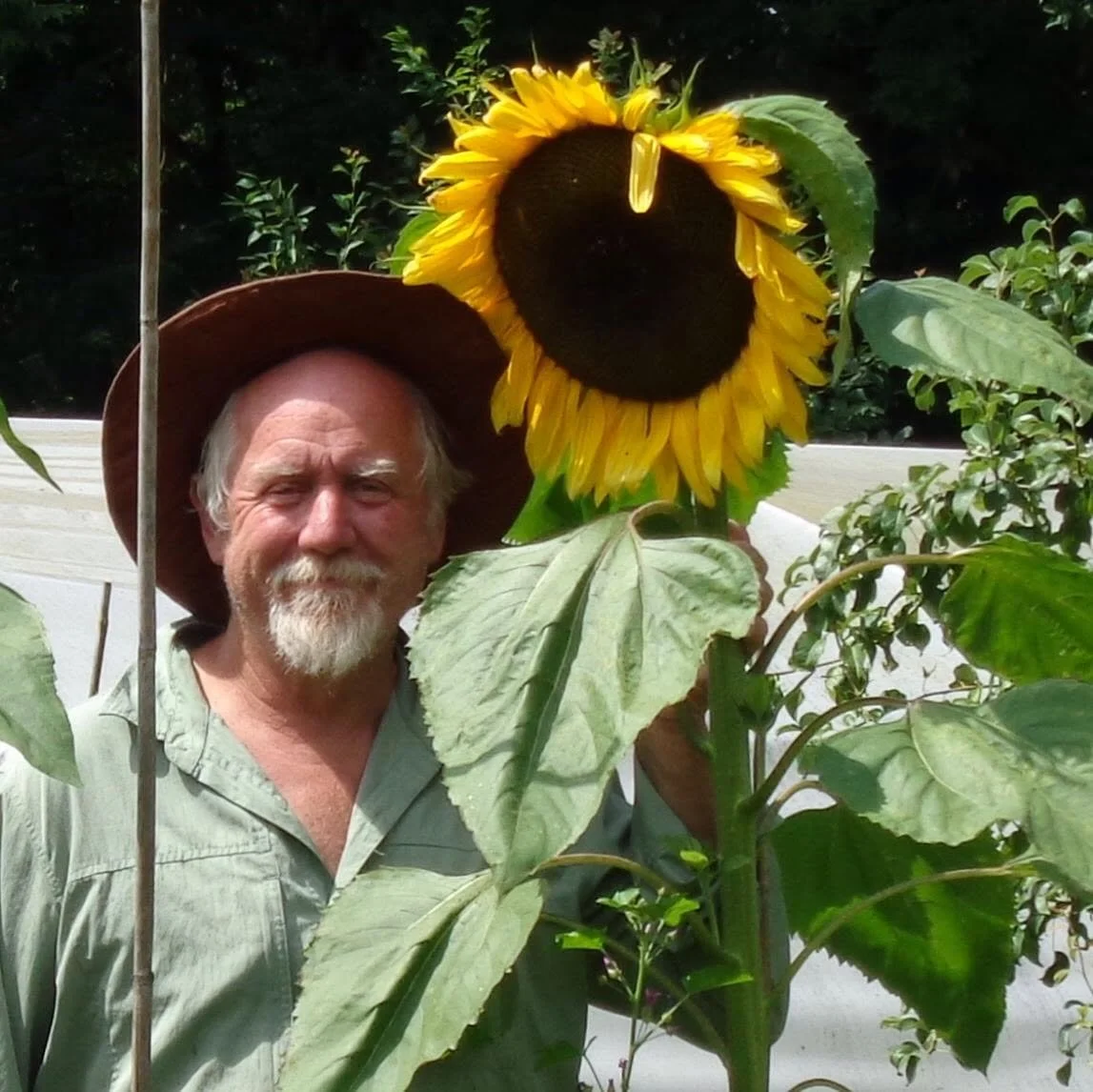
Harry Moult
An early pioneer of the Permaculture movement in the mid-1970s, Harry began his career as a soil and water analyst for the Severn Trent River Authority in the UK before traveling the globe to study indigenous land management through a permaculture lens. Bringing these insights to Australia’s Northern Rivers region, he ran a successful landscape design business for many years, creating whole-farm ecologies that integrated wetlands, timber and honey plantations, food forests, and aquaculture systems. Today, his work focuses on large-scale soil building and integrating food forest edges into local natural ecotones, utilising complex edge design and guild structures to simultaneously maximise food production and enhance biodiversity.
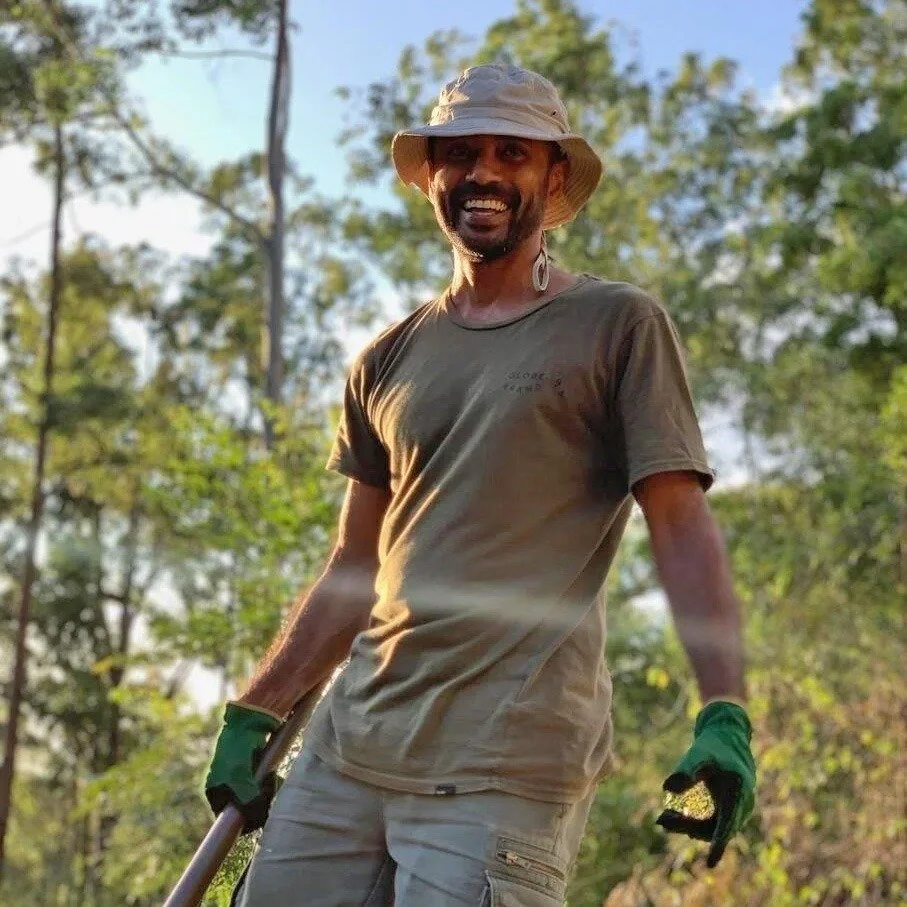
Shanger Bala
Shanger is the founder of Colab Sciences, a soil biology and food forestry service. Rooted in the principles of the Soil Food Web and Agroecology, he is inspired by nature and driven to improve soil health through regenerative practices. A scientific acumen, gathered over many years working in medical diagnostics, is now being applied in earth stewardship and food resilience education. He believes that abundance can be achieved with the decentralisation of food production and the formation of smaller, resilient, interconnected communities, just as nature intended it.
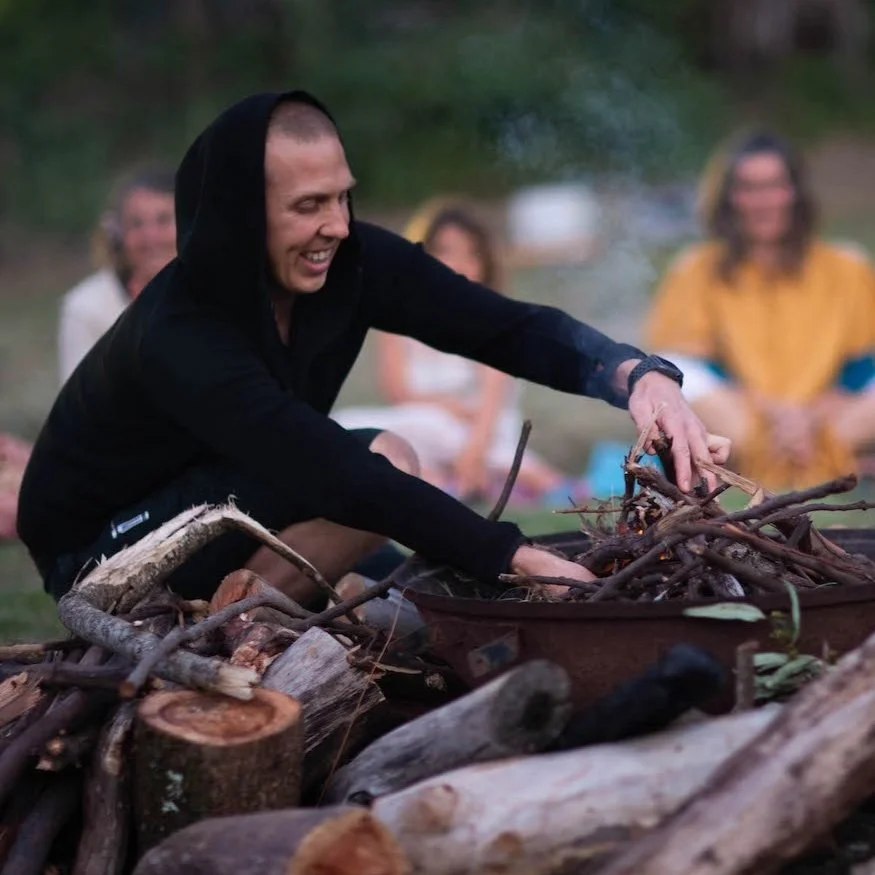
Fred Woller
Fred has been passionate about community and alternative economies for nearly two decades. His journey includes serving as a LETS administrator for both Moreland LETS in Melbourne and Tableland LETS in Far North Queensland. A dedicated community organiser, Fred helped establish the Sustainability Alliance FNQ - a network dedicated to building regional environmental resilience and sustainable local practice - and helped run Realfood, a Community Supported Agriculture initiative connecting FNQ growers directly with local consumers. As one of the founding members of Arcoora, Fred is deeply inspired by the work of David Fleming and his vision of hyper-localisation, striving to nurture resilient, self-reliant communities grounded in shared stewardship and local exchange.
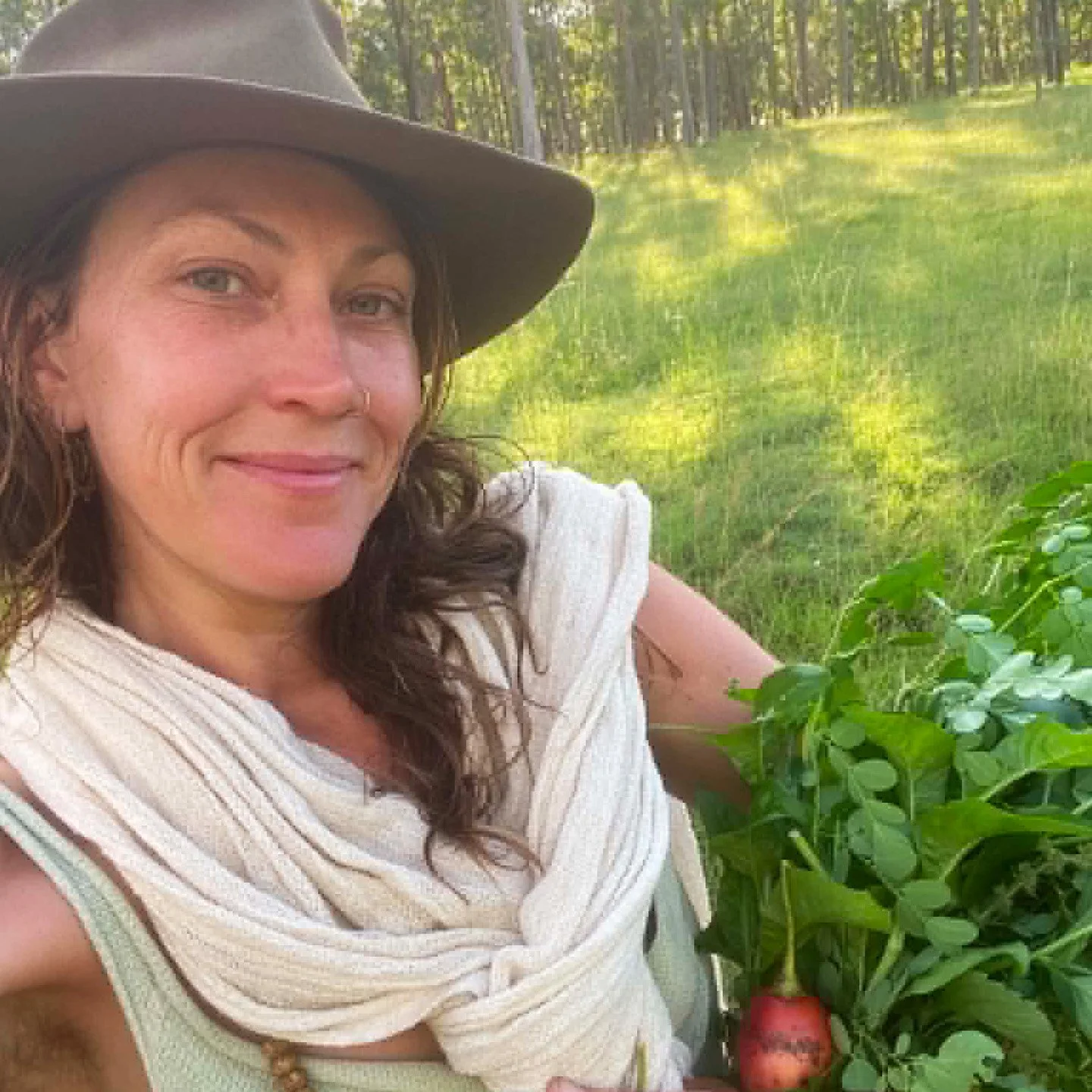
Bebe
Bebe is passionate about weaving connection - like mycelium, cultivating nourishing interconnection. She engages within communities to explore how stronger collaboration can create ecological cultures that support vitality, healthy functioning and reciprocity. Her background spans community development, social work, holistic care, agroecology, grassroots syntropic community and food forest creation, local food mapping, and fourteen years of wholefood catering.
This diverse experience has shaped her understanding that vitality is essential for genuine community collaboration. She invites us back into nourishing, co-regulating relationship - with ourselves, each other, food, land and our ecology. Grounded in the understanding that we are nature, her work explores how deepening interconnection can help us all flourish.
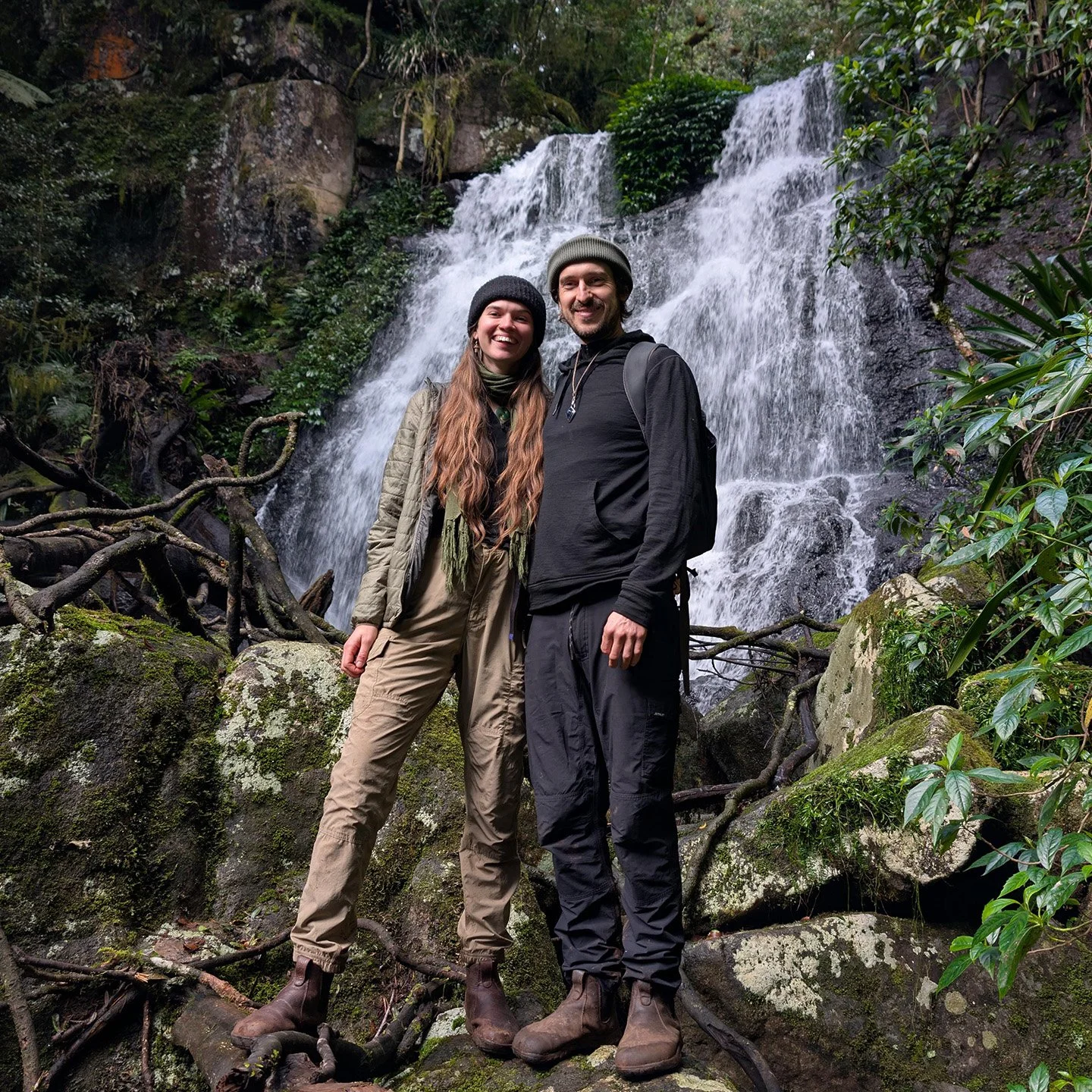
Nick & Nat
Partners Nick and Nat are current stewards of the land we will gather on and active ambassadors for caring for country and community.
They will be weaving their learnings into the space, drawing from their experience in practises such as 'Deep Ecology', 'Embodied Freedom', initiation work and village living. They are inspired by deepening connection with self, others and nature.
EVENT DETAILS
When: Thursday, September 24th – Sunday, September 27th, 2026
Schedule: Arrive Thursday at 2:00 PM | Concludes Sunday at 3:00 PM
Cost: $990 (Includes camping access and all meals)
Accommodation & Vehicle Access
Camping is included with your ticket. Private rooms, shared rooms, and canvas cabin tents are available as optional upgrades during checkout.
Important Access Note: The venue is strictly 4WD and AWD access only.
If you plan to vehicle camp, your vehicle must be a 4WD or AWD.
If you drive a 2WD vehicle, park in the designated 2WD lot at the base of the mountain. Shuttles will run on arrival to transport you and your gear up to the venue.
Catering & Food
Nourishing, delicious vegetarian meals are fully provided from dinner on Thursday through to lunch on Sunday.
What to Bring
Clothing & Gear: Warm and cool layers (nights can get cold!), raincoat, sun hat, sturdy gardening/walking shoes, headlamp or torch, and a reusable water bottle.
Tools & Learning: Notepad, gardening gloves, and any personal hand tools you have (secateurs, folding saw, machete, hori hori, etc.).
Accessibility & Financial Support
As with all Arcoora programs, we never want finances to stand in the way of participation. If things are tight, please get in touch so we can discuss options together.